Make an Appointment: (339) 707-5236 | info@integrativepsychology.com



integrative psychology, PC
What Is Neurofeedback Therapy? How It Improves Focus, Anxiety, and Brain Regulation
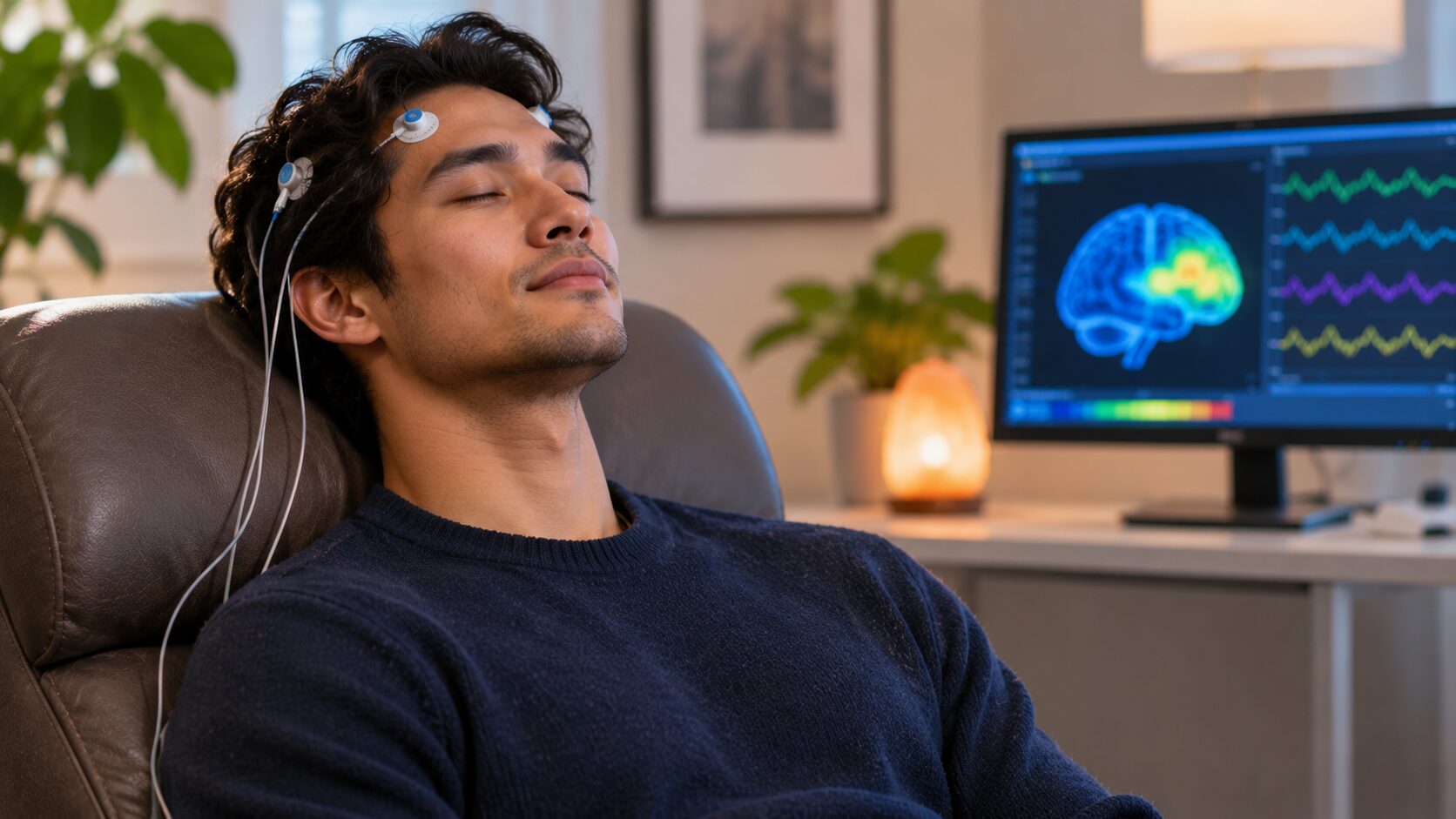
Imagine being able to observe your brain’s activity in real time and use that information to practice regulating how your brain responds to different situations. For people struggling with concentration, anxiety, or difficulty managing stress, this concept may sound unusual. However, it is the foundation of a therapeutic technique known as neurofeedback.
Neurofeedback therapy uses specialized technology to measure brain activity and provide immediate feedback about certain patterns. Through repeated training sessions, individuals practice modifying aspects of their brain activity, with the goal of supporting greater self-regulation.
Unlike traditional talk therapy, which focuses primarily on thoughts, emotions, and behaviors, neurofeedback provides information about physiological activity occurring within the brain. It offers a different way of exploring the relationship between brain function, attention, and emotional well-being.
For adults experiencing difficulties with focus, chronic stress, or anxiety, neurofeedback may be considered as part of a broader treatment approach. However, its effectiveness varies depending on the condition being treated, and research is still developing regarding its long-term benefits.
At Integrative Psychology, our team of clinicians recognizes that psychological and physiological processes are closely connected. Our integrative approach considers the whole person, combining evidence-based psychotherapy with appropriate behavioral medicine interventions to support mental and physical well-being.
In this article, we’ll explore what neurofeedback therapy is, how it works, its potential applications for attention and anxiety, what happens during treatment, and how to determine whether it may be appropriate for your needs.
What Is Neurofeedback Therapy?
Neurofeedback is a specialized form of biofeedback that focuses on measuring and providing feedback about brain activity.
Biofeedback involves using technology to monitor physiological processes, such as breathing, heart rate, or muscle tension, so individuals can learn to influence certain bodily responses.
Neurofeedback applies a similar principle to the brain.
Most commonly, neurofeedback uses electroencephalography (EEG), a noninvasive technology that records electrical activity through sensors placed on the scalp.
These sensors measure patterns of brain activity and transmit the information to a computer program.
The program then translates the recorded activity into feedback that the individual can observe, often through:
- Visual displays
- Computer-based games
- Moving images
- Sounds or auditory signals
- Changes in video playback
The feedback changes according to the brain activity being measured.
Over repeated sessions, the individual practices producing patterns associated with the training goals.
Does Neurofeedback Send Electricity Into the Brain?
A common misconception is that neurofeedback involves electrical stimulation.
Traditional EEG-based neurofeedback does not send electricity into the brain.
The sensors record electrical activity already being produced by the brain. The computer then uses that information to provide feedback.
This distinction is important because neurofeedback differs from treatments that directly stimulate the brain through electrical or magnetic methods.
Understanding Brainwaves and Brain Regulation
To understand neurofeedback, it helps to know a little about how the brain communicates.
The brain contains billions of neurons that exchange information through electrical and chemical signals.
When groups of neurons are active, their combined electrical activity can produce rhythmic patterns that EEG technology can detect.
These patterns are commonly described as brainwaves.
Different frequency ranges are associated with different states of brain activity.
Delta Waves
Delta waves are slow-frequency brainwaves commonly associated with deep, non-REM sleep.
Theta Waves
Theta activity is associated with several processes, including drowsiness, certain memory-related functions, and aspects of attention.
Alpha Waves
Alpha activity is often observed during relaxed wakefulness, particularly when a person is resting with their eyes closed.
Beta Waves
Beta activity is commonly associated with alert wakefulness, active thinking, and cognitive engagement.
Gamma Waves
Gamma activity has been studied in relation to information processing, attention, and the integration of information across neural networks.
Although these frequency ranges provide useful information, brainwaves do not have universally fixed meanings.
For example, more beta activity is not always better, and theta activity is not inherently problematic.
Healthy brain functioning involves complex patterns of activity that change depending on the task, environment, and individual.
Neurofeedback protocols attempt to train selected aspects of these patterns, but EEG measurements alone cannot provide a complete picture of a person’s mental health.
How Does Neurofeedback Therapy Work?
Neurofeedback is based on principles of learning and conditioning.
When the brain produces activity that meets a particular training target, the computer provides feedback.
For example, a video may continue playing smoothly when the measured brain activity meets the selected criteria. When the activity changes, the video may dim or pause.
The individual does not necessarily need to consciously understand how to produce the targeted brain activity.
Instead, the training process uses repeated feedback to encourage learning.
Step 1: Initial Assessment
Treatment generally begins with an assessment of the individual’s symptoms, health history, and goals.
A clinician may explore concerns involving:
- Attention and concentration
- Anxiety and stress
- Sleep quality
- Emotional regulation
- Cognitive functioning
- Daily responsibilities
Depending on the neurofeedback approach, additional physiological measurements may be collected.
The purpose is to determine whether neurofeedback is appropriate and identify realistic treatment goals.
Step 2: Developing a Training Plan
Different neurofeedback protocols target different aspects of brain activity.
The selected approach may depend on the individual’s symptoms, assessment findings, and the clinician’s training.
Because neurofeedback is not a single standardized intervention, protocols and treatment schedules can vary considerably.
Step 3: Monitoring Brain Activity
During a typical EEG-based session, sensors are placed on the scalp.
The sensors record brain activity while the individual sits comfortably and interacts with the feedback program.
The procedure is generally noninvasive.
Step 4: Receiving Real-Time Feedback
As the computer monitors selected patterns of activity, it provides visual or auditory feedback.
This feedback allows the individual to practice responding to the training signals.
Step 5: Repeated Practice and Progress Monitoring
Neurofeedback usually involves multiple sessions.
Clinicians may monitor changes in symptoms, daily functioning, and training performance throughout treatment.
Importantly, changes in the feedback program do not automatically demonstrate improvements in everyday life.
Meaningful progress should also be evaluated through real-world outcomes, such as concentration, sleep quality, emotional well-being, or functioning at work.
Can Neurofeedback Help Improve Focus and Attention?
Difficulty concentrating is one of the most common reasons adults become interested in neurofeedback.
Attention is a complex cognitive process involving several brain networks.
It includes the ability to:
- Sustain concentration
- Filter distractions
- Shift attention between tasks
- Organize information
- Maintain working memory
- Regulate responses
For individuals experiencing attention difficulties, these processes may require considerable effort.
Neurofeedback and ADHD
Attention-Deficit/Hyperactivity Disorder (ADHD) is a neurodevelopmental condition that can affect attention regulation, impulse control, and executive functioning.
Adults with ADHD may experience challenges such as:
- Difficulty starting or completing tasks
- Frequent distractions
- Trouble organizing responsibilities
- Forgetfulness
- Difficulty managing time
- Mental restlessness
- Inconsistent concentration
Researchers have investigated whether neurofeedback can improve ADHD symptoms by training selected EEG activity patterns.
Some studies have reported improvements, particularly in certain attention-related outcomes.
However, the overall evidence remains mixed. More rigorous studies using blinded assessments have not consistently demonstrated meaningful benefits beyond comparison treatments.
For this reason, neurofeedback should not be presented as a proven replacement for established ADHD treatments.
Evidence-based approaches, including ADHD-focused CBT and appropriate medical treatment, remain important options.
What Might Improvement Look Like?
When an individual responds positively to treatment, potential goals may include:
- Greater awareness of attention patterns
- Improved ability to remain engaged with tasks
- Reduced subjective distractibility
- Better management of cognitive fatigue
- Improved daily functioning
These outcomes are not guaranteed, and they should be assessed independently of the training software.
Can Neurofeedback Help with Anxiety?
Anxiety involves interactions between thoughts, emotions, behaviors, and physiological responses.
When someone experiences anxiety, the body’s stress response may become activated.
This can produce symptoms such as:
- Racing thoughts
- Increased heart rate
- Muscle tension
- Restlessness
- Difficulty concentrating
- Sleep disturbances
- Persistent worry
For some individuals, anxiety is associated with heightened physiological arousal, making relaxation and emotional regulation more difficult.
The Role of Neurofeedback
Neurofeedback has been investigated as a way to influence brain activity associated with arousal and emotional processing.
Some small studies suggest that certain protocols may reduce anxiety symptoms.
However, the research is not yet sufficiently consistent to establish neurofeedback as a first-line treatment for anxiety disorders.
The effects may differ depending on the protocol, condition, and individual.
Why a Comprehensive Approach Matters
Anxiety is rarely explained by one physiological process alone.
It can also involve:
- Unhelpful thinking patterns
- Avoidance behaviors
- Chronic stress
- Sleep difficulties
- Previous experiences
- Environmental pressures
This is why psychological therapies such as Cognitive Behavioral Therapy (CBT) and Acceptance and Commitment Therapy (ACT) remain valuable.
When appropriate, neurofeedback may be considered as an additional intervention rather than a substitute for these established treatments.
Neurofeedback and Emotional Regulation
Emotional regulation refers to the ability to recognize, understand, and respond to emotions in ways that support effective functioning.
It does not mean eliminating difficult emotions.
Instead, emotional regulation involves being able to experience frustration, anxiety, disappointment, or uncertainty without automatically becoming overwhelmed.
Some adults experience challenges such as:
- Reacting intensely to minor stressors
- Difficulty calming down after conflict
- Feeling emotionally exhausted
- Becoming overwhelmed by unexpected changes
- Struggling to recover from stressful situations
How Neurofeedback May Fit In
Researchers are exploring whether training certain brain activity patterns can influence emotional processing and regulation.
Although some findings are promising, evidence for routine clinical use remains limited.
Emotional regulation also involves learned skills, psychological flexibility, and the ability to respond to difficult experiences.
Therapies such as DBT, ACT, and mindfulness-based approaches can directly address these skills.
For individuals experiencing emotional regulation difficulties, a clinician can help determine which interventions have the strongest evidence for their specific concerns.
Neurofeedback vs. Biofeedback: What’s the Difference?
Neurofeedback and biofeedback are closely related, but they are not identical.
Biofeedback is the broader category of interventions that provide information about physiological activity.
Depending on the method, biofeedback may measure:
- Heart rate
- Breathing patterns
- Muscle tension
- Skin temperature
- Skin conductance
For example, heart rate variability biofeedback may help individuals practice paced breathing and influence certain aspects of autonomic nervous system regulation.
Neurofeedback, on the other hand, focuses specifically on brain activity, most commonly through EEG measurements.
Both approaches involve using physiological feedback to support learning.
However, their clinical applications and supporting research differ.
At Integrative Psychology, neurofeedback and biofeedback are among the specialized behavioral medicine services available, allowing clinicians to consider physiological approaches when appropriate for an individual’s needs.
Is Neurofeedback Safe?
Traditional EEG-based neurofeedback is generally considered noninvasive.
Because the sensors record activity rather than deliver electrical stimulation, the procedure does not involve directly stimulating the brain.
However, noninvasive does not necessarily mean completely free of side effects.
Some individuals report temporary experiences such as:
- Headaches
- Fatigue
- Frustration
- Changes in alertness
- Temporary discomfort during training
The frequency and causes of adverse effects have not been studied as extensively as those of many established treatments.
Individuals with neurological conditions, significant psychiatric symptoms, or complex medical histories should discuss the appropriateness of neurofeedback with a qualified healthcare professional.
Treatment should be provided by someone with appropriate training who can monitor symptoms and adjust the approach when necessary.
How Many Neurofeedback Sessions Are Needed?
There is no universally established number of sessions that works for everyone.
Training schedules vary depending on the protocol, treatment goals, and individual’s response.
Some programs involve multiple sessions over several weeks or months.
However, completing a particular number of sessions does not guarantee improvement.
Before beginning treatment, it can be helpful to ask:
- What symptoms are we trying to address?
- What evidence supports this protocol?
- How will progress be measured?
- What are the expected costs?
- When will we review whether treatment is helping?
- What alternatives are available?
These questions can help establish realistic expectations and support informed decisions.
How Neurofeedback Fits Into Integrative Mental Health Care
Mental health concerns often involve multiple interacting factors.
For example, someone experiencing difficulty concentrating may also be dealing with anxiety, insufficient sleep, chronic stress, or ADHD.
Likewise, someone seeking help for anxiety may experience physical tension, sleep disruption, avoidance behaviors, and persistent worry.
Addressing only one component may not fully explain the individual’s experience.
An integrative approach considers how psychological, behavioral, and physiological factors interact.
At Integrative Psychology, our team of clinicians takes a collaborative, strengths-based approach to care.
Depending on the individual’s concerns and treatment goals, care may incorporate:
Cognitive Behavioral Therapy (CBT)
CBT helps individuals recognize and modify patterns of thinking and behavior that contribute to emotional distress.
It can also provide practical strategies for managing anxiety, depression, and attention-related difficulties.
Acceptance and Commitment Therapy (ACT)
ACT helps individuals develop psychological flexibility and make choices aligned with their values, even when difficult thoughts or emotions are present.
Mindfulness-Based Interventions
Mindfulness approaches encourage awareness of present-moment experiences and may help reduce automatic reactions to stress.
Biofeedback and Neurofeedback
When clinically appropriate, physiological feedback methods may be considered as part of a broader care plan.
These methods should be selected based on the individual’s goals, available evidence, and the clinician’s expertise.
Sleep-Focused Treatment
Sleep difficulties can significantly affect concentration, emotional regulation, and overall mental health.
For individuals experiencing chronic insomnia, Cognitive Behavioral Therapy for Insomnia (CBT-I) provides an established, evidence-based treatment option.
The goal of integrative care is not to use every available intervention.
It is to identify the approaches that are most appropriate for the person seeking support.
Who Might Consider Neurofeedback Therapy?
Neurofeedback may be of interest to adults who:
- Experience ongoing difficulties with attention
- Are exploring additional approaches to anxiety management
- Want to understand physiological aspects of self-regulation
- Are interested in noninvasive feedback-based interventions
- Have discussed potential treatment options with a qualified clinician
However, interest in neurofeedback does not necessarily mean it is the most appropriate treatment.
A comprehensive assessment is important, particularly when symptoms may be associated with an underlying mental health condition, sleep disorder, or medical concern.
Frequently Asked Questions About Neurofeedback Therapy
Is Neurofeedback the Same as Brain Training?
Neurofeedback is sometimes described as brain training because it uses repeated feedback to encourage changes in selected brain activity patterns.
However, it differs from general cognitive training games because it measures physiological brain activity during the training process.
Does Neurofeedback Work for Everyone?
No. Responses vary, and the evidence supporting neurofeedback differs across conditions.
Some individuals may report improvements, while others experience little or no meaningful benefit.
Can Neurofeedback Replace ADHD Medication?
Neurofeedback should not be considered a proven replacement for ADHD medication or established psychological treatments.
Adults considering changes to prescribed medication should consult their prescribing healthcare professional.
Is Neurofeedback Helpful for Depression?
Neurofeedback has been investigated for depression, but research remains preliminary and does not establish it as a standard first-line treatment.
Evidence-based psychotherapy and appropriate medical care remain central treatment options.
Is Neurofeedback Painful?
Traditional EEG-based neurofeedback is generally painless.
Sensors are placed on the scalp to record electrical activity, and the individual typically remains seated while receiving feedback.
Can Neurofeedback Help with Sleep Problems?
Researchers have explored neurofeedback for sleep-related concerns, but the evidence remains limited.
For chronic insomnia, CBT-I has stronger clinical support and is generally recommended as a first-line psychological treatment.
Final Thoughts
Neurofeedback therapy offers an interesting approach to understanding and potentially influencing certain patterns of brain activity.
By providing real-time physiological feedback, it allows individuals to participate in a structured learning process aimed at supporting self-regulation.
Research has explored its potential applications for attention, anxiety, emotional regulation, and other concerns. However, the strength of evidence varies, and more high-quality research is needed to establish which individuals are most likely to benefit.
For adults considering neurofeedback, the most important step is understanding both its potential and its limitations.
At Integrative Psychology, our team of clinicians recognizes that effective mental health care involves understanding the relationship between thoughts, emotions, behaviors, and physiological functioning.
Through a collaborative and individualized approach, we help adults explore evidence-based treatment options and develop strategies that support their mental and physical well-being.
If you’re interested in learning whether neurofeedback or another therapeutic approach may be appropriate for your needs, our team can help you explore your options and identify a personalized path forward.
Learn more about our services at Integrative Psychology.
October 19, 2026


